Showing posts with label Sustainable Living. Show all posts

Monday, August 1, 2016

Green Gear Guide: Travel Edition

Summer in the Big Apple can't be missed. Fresh flowers on every corner, vibrant garden veggies in Union Square, quaint rooftop bars surrounded by endless city lights. What a time to be a New Yorker.

But occasionally, we just need to get away from it all (ahem, the subway can get a bit stifling). Whether it's jet-setting across the coast or road-tripping up north, it's not always easy to keep the green theme going. Luckily for you, we know a little bit about that. And, like always, we're here to help. 
   
So, to all you eco-conscious travelers, this one's for you. Cause getting your green on doesn't take much work. And, with the help of this list - it can be pretty cool, too.

Safe travels, fellow greenies. ☺

1. Once a Billboard, Now a Bag
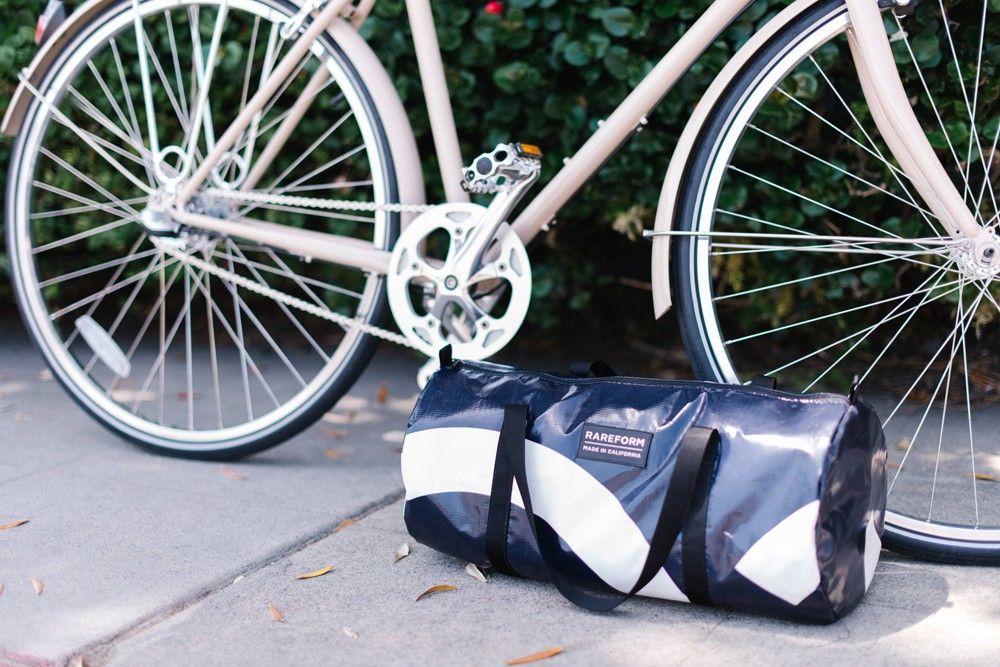
California-based Rareform is transforming billboards into beauties, upcycling old ads into new bags. Their water-resistant weekender duffle is hand-cut in the Golden State, creating a one-of-a-kind way to gear up in style. (Side note - who would've ever thought the fanny pack would be cool again? Not us, but we just added two of these bad boys to our cart.) Plus, the company donates 1% of all proceeds to preserving and protecting the environment - because there's nothing better than looking good while doing good. Sold.  

2. Rise and Shine
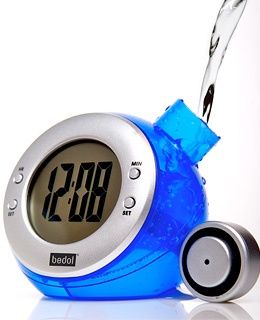
We know what you're thinking. Who needs an alarm clock on vacation? When free breakfast ends at 9, we do. Sausage is calling. Anyway, hunger aside... Bedol's water-powered travel alarm clock is a responsible traveler's dream. The electrodes in the device harvest energy from water to power the LCD screen, making sure you're up in time for a sunrise hike, beachside jog, or... biscuits. Most importantly biscuits. 
   
3. So Fresh and So Clean
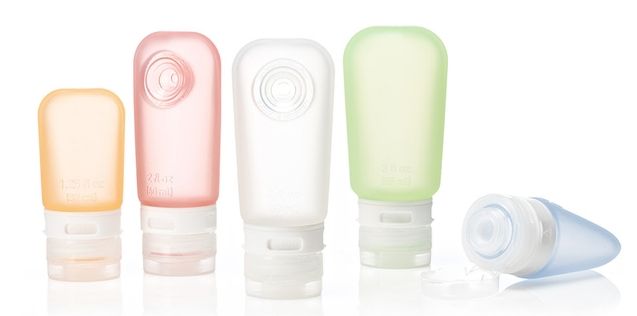
How fun is the mini toiletry section at CVS? Everything is so much cuter tiny. Except for pizza, which we prefer extra large and extra cheesy. Regardless, GoToobs are our new go-tos for eco air travel (or mini-lovin' fun in general). These airline approved, reusable & food-safe tubes are made of 100% BPA and PC-free plastic - ideal for making minis out of all your favorite products. Plus, they're perfectly squeezable, leak-proof and have handy dandy space for labeling. We're stockin' up.

4. Hydration Station
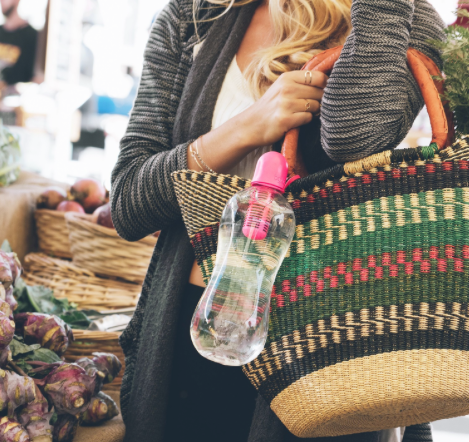
38 billion plastic water bottles are tossed each year - and it's Water Bobble's mission to #endthetrend. Today, their sleek yet sustainable products are revolutionizing reusable drinking... and we couldn't be bigger fans. (It doesn't hurt that they've got the catchiest company name around). Motivated by "taste over waste," BPA-free Water Bobbles are made in the good 'ol USA and incorporate their very own filtration systems. Most customers go for the trusty classic, but why not build your own Bobble? Ahh, tap has never been tastier.

Thursday, June 2, 2016

Great Wolf Lodge Goes GreenBox!

They've got six-story funnel slides, 4D movie theaters, water fort tree houses, indoor mazes & lazy rivers. 


And now, they've got the GreenBox.

It's official: Great Wolf Resorts, America's largest family of indoor water parks is makin' a sustainable splash across the nation. 


From the east coast to the west, from the Rockies to the Plains - all 13 Great Wolf Lodge destinations across 12 states have gone GreenBox.  

That sounds like something to "howl" about. ☺ 


So next time you're Hungry As A Wolf, stop by Great Wolf Lodge's on-site pizzeria: the newest home to our planet-friendly pizza box. 

How lucky are we to be hanging out in the throws of signature 5 cheese pies, massive meatball subs & cheesy loaves of garlic bread? 

 Yup. We're definitely going to stay.


But going GreenBox isn't the only way that Great Wolf Resorts is putting the Earth first. 

In 2007, they launched Project Green Wolf: a company-wide dedication to environmental sustainability. Think composting, food sharing, recycling and most importantly - water conservation. 
That settles it then. We call top bunk in the Wolf Den!


For Great Wolf, the GreenBox was the missing piece in the Project Green Wolf puzzle. And we couldn't be happier knowing it's the perfect fit.

Wednesday, May 25, 2016

Food Fact or Fiction?

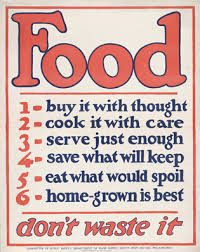
We could fill 730 football stadiums a year with the food we throw away.

You heard that right. Across the U.S., 40% of food is tossed annually. That equates to over $165 billion of wasted meals – while 1 in every 6 Americans go hungry.


What’s wrong with this picture?

Maybe the fact that the 1.3 billion tons of food we waste each year would be enough to feed all the hungry in the world… 4 times. Or that, if discarded food was a country, it would be the third-largest producer of carbon dioxide in the world.

Well, that’s good enough reason for us.

It’s time to acknowledge the top three myths that help contribute to food waste. Then, we must ask ourselves: Which am I guilty of believing? And, most importantly, how will I make a difference?


Myth #1: “Sell By” or Die

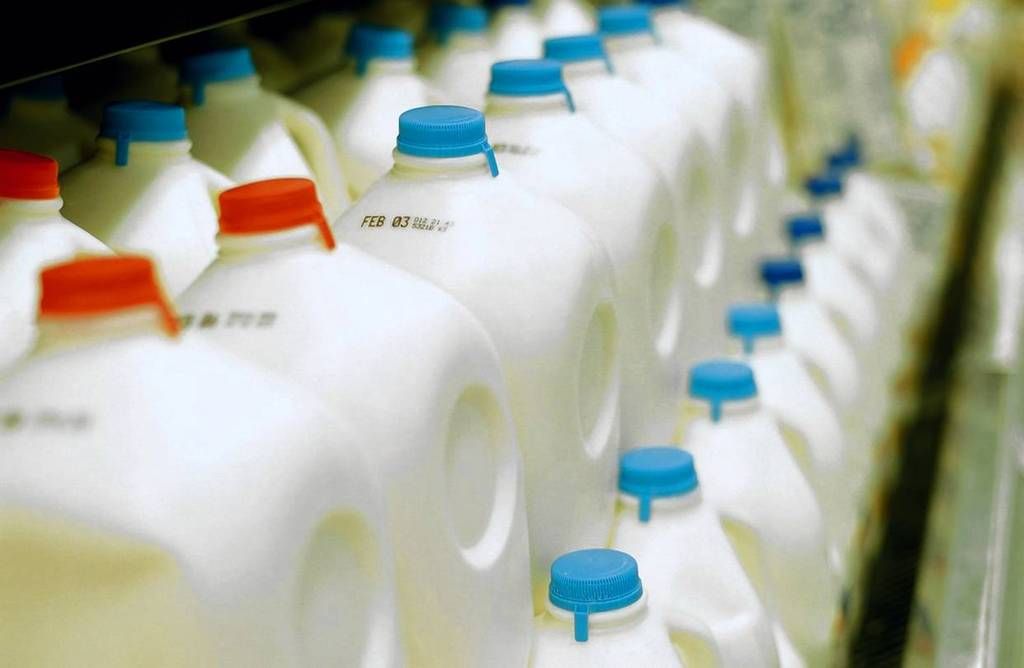
We’ve all been there. Your morning bowl of Cheerios is begging to be drenched in a sea of fresh, cold milk. But it’s “best before” two days ago, so you and your Cheerios are out of luck. Because who wants to start their day off with a hefty dose of food poisoning?

But, according to the Natural Resources Defense Council (NRDC), that carton of milk is best before… well, whenever your nose and taste buds say so. And – for non-refrigerated foods, there is no difference in taste or quality after the expiration date.


It’s a fact: most dates on products are simply an indicator of peak freshness, not edibility. Oh, and what about “sell by”? Surprise, surprise… it’s a marketing tool that ensures proper turnover in retail stores.

But confusion over “sell by” dates causes 9 out of 10 Americans to toss their food, good or bad. While your box of easy mac might be “expired” this June, we promise it’ll taste just as creamy, cheesy and delicious a whole year from now. Even eggs can be consumed well past those arbitrary sell by dates.

Your best bet? Go grandma-style and practice the good ‘ol fashioned sniff test. Your Cheerios, your wallet and your full belly will thank you.


Myth #2: Misfits Must Go

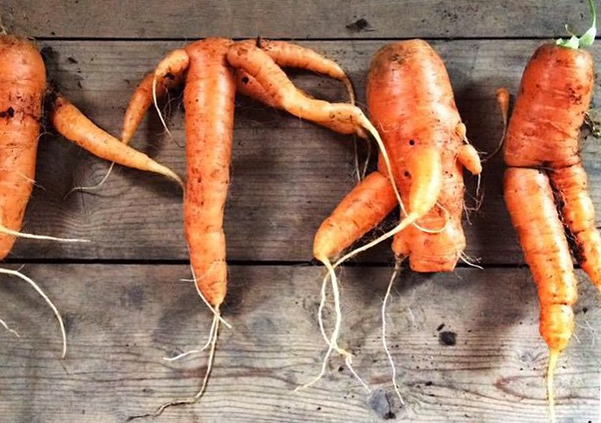
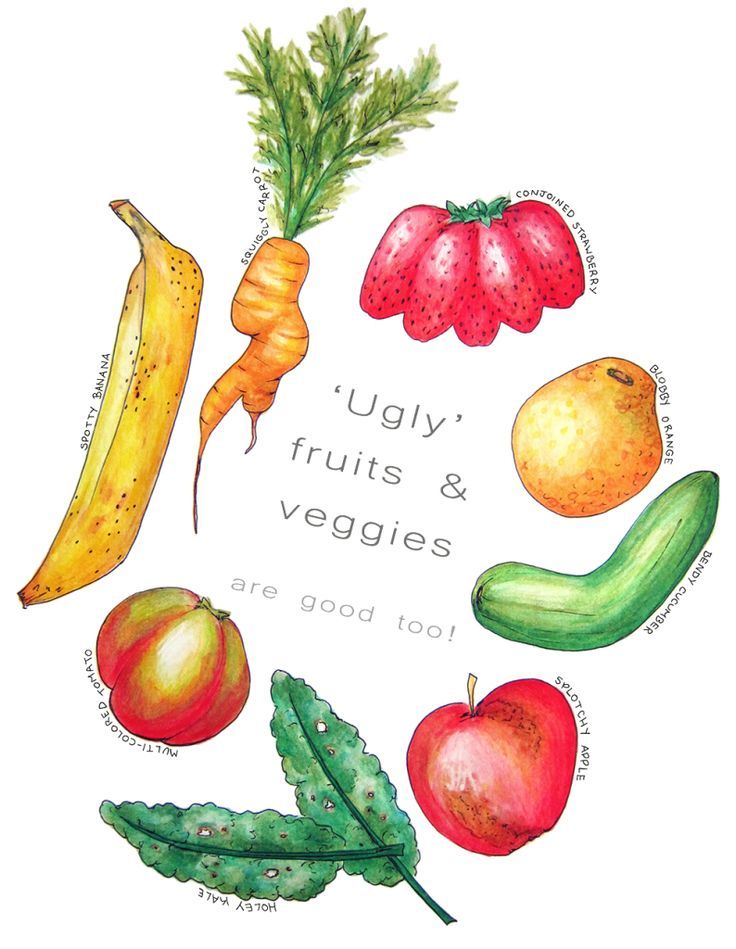
26% of produce never makes it to grocery store shelves. Why? Because it’s ugly.

Due to retailers’ strict cosmetic standards, that lumpy carrot or bumpy tomato won’t even see the fluorescent light of day. The smallest blemish will have it cast aside like a leper, despite being both perfectly tasty and nutritious.


So, where does this freaky fruit end up? The mouths of the homeless? The tables of the hungry? Not even close. It’s transported to landfills… by the truckload. The worst offender is the potato, with 35% getting the boot for its flaws.

Wait – are potatoes even “pretty” to begin with?

Up to 30% of a farm’s harvest succumbs to the strict beauty standards of the produce aisle. And, if the farmer complains, well – the store will just find another farmer.
Who isn’t a little bruised, misshapen or a tad discolored (think lobster-like sunburn)? In a world with more than enough judgment to go around, our green beans shouldn’t have to face it too.   


Myth #3: Don’t Feed Fido!

80% of corn grown in the U.S. goes to feed livestock – a process that involves massive amounts of fossil fuels and the destruction of forests for farmland.

All the while, food scraps are bee-lining it to the dump, converting to methane (a greenhouse gas 20 times more potent than carbon dioxide) along the way. Since when did it become taboo to feed our animals “people food”?

According to the Environmental Protection Agency (EPA), boiling scraps at high temperatures makes them safe for animals to consume – and brings farmers back to an age-old tradition (humans have been feeding animals food scraps for thousands of years).


Just ask Pinter Farms, a family-owned pig and cattle farm local to Rutgers University. Rutgers donates over a ton of dining hall food scraps daily to feed the animals at Pinter Farms, saving the university from landfill hauling fees – and Mother Earth from toxic gases.

So next time you find yourself with a stale loaf of bread or some leftover brown rice, think of your backyard buddies. They’re sure to appreciate it.

Solutions?

Eat ugly food. Eat or, better yet – donate your leftovers. Juice your old produce. Plan your meals. Make use of the freezer. And remember: 868 million people across the globe go to bed hungry each night.



Tuesday, March 29, 2016

Recycle by Colors

We're big fans of recycling around here. In fact, as I look up across my desk, I catch a glimpse of our extra large green bin - piled high, overflowing with reusable goodness.

Ah. Be still my heart.

So when we saw that our recent post, Recycle by Numbers was a hit with readers - we figured, why stop there? Let's keep this educational train running.


Today, we bring you a handy guide on how best to re-use and recycle some of the most common materials. From your car battery to that 90's TV and everything in between, we guarantee you'll think twice about how to get rid of that hot pink Razr phone.

Oh, stop. We know you have one.

Let the learning begin.

Aluminum

Americans discard about 2.7 million tons of aluminum each year. But - only half that amount is recycled.

And, there's no excuse. Across the U.S., over 10,000 locations buy back aluminum cans. Plus, who doesn't love some extra cash? 100% recyclable, cans return to the shelves as new within only 60 days after dropping them into the bin. Oh, and recycling just one saves enough energy to run your TV for three hours.

Now that's a lot of Netflix binging.


Aluminum foil is no exception. Last year, Americans discarded almost 500,000 tons of the material - all of which could've been recycled. Re-use it as much as possible (it's easily wiped down) and give it a good rinse before dropping it into your bin. Better yet? Splurge a little for the 100% recycled foil. This kind uses 5% less energy than traditional foil during the manufacturing process.

Voila!

Glass

In the U.S. today, most glass bottles contain at least 27% recycled material. But, when it comes to recycling this sturdy substance, even the smallest remnants of food waste or dirt can contaminate the entire batch. Cue memories of mom nagging you to "rinse out the recyclables!" Yup, she was right... again.


Here's an interesting tidbit: brown glass, the most common color for beer bottles, is manufactured by adding nickel, sulfur and carbon to molten glass. Since this brown color can't be removed, recycled brown bottles = more brown bottles!

Pizza & a brew, anyone?! In the GreenBox, of course. ☺


So, feel free to toss your clear, green and amber glass into the recycling (rinsed clean!) - but mirrors, Pyrex and ceramics (such as dishware and ovenware) aren't accepted.

Batteries

Car batteries are the most recycled product in America. That's right - in the U.S. alone, about 100 million batteries are replaced a year, and 99% of these are recycled. Cool, huh?

Each car battery is made up of about 60% lead and contains three pounds of plastic - most of which can be reclaimed to produce new batteries. Oh, and the sulfuric acid contained within the product can be neutralized, purified & released as clean water.

Minds. Blown.


Bottom line? Many retailers (like AutoZone!) will take back batteries, but contact your local municipality to find out where to recycle yours. Easy as pie.

Computers

Each day, over 130,000 computers are dumped in landfills. But, guess what? Nearly 100% of your old computer can be re-used. Plastic, metal, glass... it's a recycling center's dream!

So, no need to chuck that dust-gathering laptop. Apple, Dell, HP and IBM are just a few of many manufacturers that offer trade-in options. Circuit City and Best Buy will also accept your "e-waste," and Staples even welcomes desktop printers, faxes and all-in-ones. Ta da!


TVs

Making the switch to a 75", HD, wall-mounted flat screen? Us too. The Environmental Protection Agency estimates that only 18% of TVs discarded last year were recycled. That leaves 20 million televisions, each containing about 8 pounds of lead, polluting our landfills.

Check with your local municipality for drop-off centers, or find a retailer that offers a TV recycling program (LG and Sony do!). Or, if your TV is still in working condition, here's a list of non-profit organizations that would gladly take that clunker off your hands. They'll even scoop it up for free. 


Cell Phones

At this moment, over 1 billion gadgets are catching cobwebs in our junk drawers. And - only 10% of these will be recycled.

Trashed cell phones (hello, Blackberry) represent about 65,000 tons of electronic waste each year. For every 1 million cell phones we recycle, 35 thousand pounds of copper, 772 pounds of silver, 75 pounds of gold and 33 pounds of palladium can be recovered.

Yeah, we said it. Gold.

Before you toss that iPhone 4 (we know, it's so yesterday), consider a program like Eco-cell. They'll even pay you for your old smartphone! AT&T and Verizon both offer trade-in programs, and our personal favorite - Cell Phones for Soldiers - will ensure that your working device gets into the best of hands.


Thursday, January 7, 2016

Recycle by Numbers

Did you know that not all plastic is created equal?

As a matter of fact, each type or “resin” has a unique chemical formula & special properties, categorized by a number ranging one through seven. 


As fellow gung-ho greenies, we bet you’re no stranger to the recycling symbols imprinted beneath your plastic purchases. V? PS? 6? HDPE? What is this, Morse code? Never fear - we’re here to help you embrace the differences, make earth-friendly decisions & dispose of your waste the eco way.


So next time you’re wondering if “PETE” signed the bottom of your water bottle, revisit this list, toss that bad boy into your recycling bin & know we’ve got your back. While we might be all about the papery brown stuff here at GB HQ, when it comes to recycling – we don’t play favorites.


Number 1: PET or PETE (polyethylene terephthalate)
Common uses: Water bottles, salad-dressing containers, peanut butter jars
Recyclable? Yes!
Did You Know? Beware! A number of recent studies reveal that PET leaches endocrine disruptors into contents under certain conditions. Prolonged high heat is a no-no when it comes to PET! 


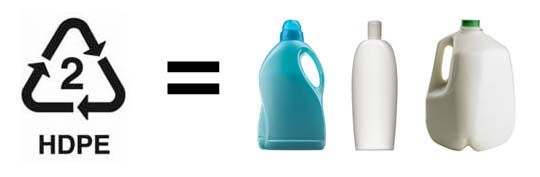
Number 2: HDPE (high density polyethylene)
Common uses: Detergent bottles, hard hats, milk jugs, bottle caps, hula hoops
Recyclable? Yes!
DYK? A versatile material, HDPE is readily recycled (and it’s non-leaching!). However, a number of curbside recycling programs will only allow containers that... wait for it...have “necks.”


Number 3: PVC (polyvinyl chloride)
Common uses: Plastic wrap, medical equipment, siding & windows
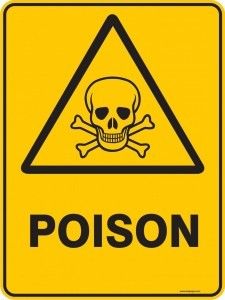
Recyclable? No. It is known as a “poison plastic”!
DYK? According to the Environmental Protection Agency, PVC is classified as a human carcinogen. Stay safe and keep number 3 plastic far, far away from last night’s leftovers. (better yet, store them in a GreenBox!) 


Number 4: LDPE (low density polyethylene)
Common uses: Squeezable bottles, shopping bags, carpet, furniture
Recyclable? Sometimes! While LDPE is reusable, it is not always recyclable.
DYK? A flexible plastic, LDPE is more readily accepted by local recycling programs than it once was. FYI – plastic shopping bags can be returned to many stores for recycling purposes (better yet, get yourself a reusable tote!).


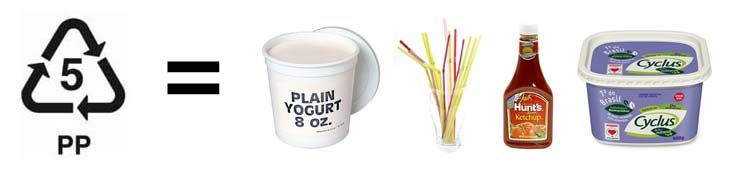
Number 5: PP (polypropylene)
Common uses: Syrup & ketchup bottles, straws, caps, yogurt containers
Recyclable? Sometimes! Check with your local recycling department.
DYK? Durable & BPA-free, PP is a favorite for reusable bags and food storage containers. Health-conscious consumers, rejoice!


Number 6: PS (polystyrene)
Common uses: Egg cartons, packing pellets, disposable plates & cups
Recyclable? No!
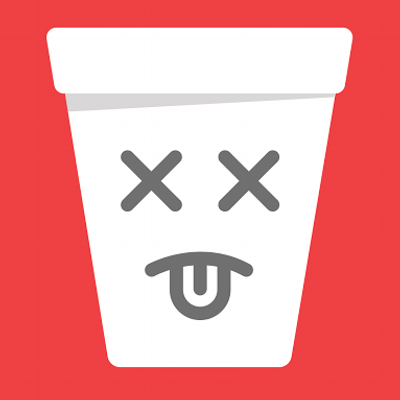
DYK? Popularly known as Styrofoam, polystyrene is notorious for its environmental burden. Non-biodegradable and non-recyclable, the material occupies approximately 30% of landfill space. In 2006, the U.S. was discarding over 14 million tons of polystyrene products annually. Say no to Styro!


Number 7: Miscellaneous
Common uses: Sunglasses, DVDs, nylon, signs & displays
Recyclable? Sometimes! Check with your local recycling department.
DYK? Number 7 is a catch-all category. All are welcome.


Monday, July 13, 2015

A Pizza the Heartland

You bring the plates, we've got the pizza. Simple as that. 

That's the motto of the "Pizza Farm": the newest trend emerging out of America's Heartland. It's all the rage in the farm-to-table movement, and we hope it's here to stay. 


The Pizza Farm is a concept that's sprouting up across our nation, but it's roots stem from small, family-owned farms along the Mississippi. Leave it to the good 'ol Midwesterners of Wisconsin and Minnesota to create a one-of-a-kind experience that's tough to top: fresh-baked pizza layered with local ingredients, served on an idyllic farm setting. 

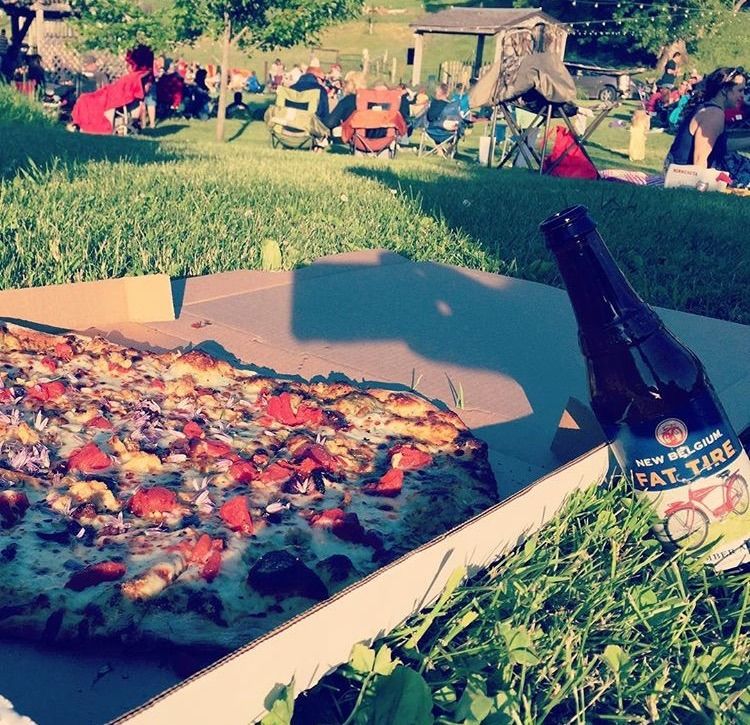
Grab a few friends, a bottle of wine & your appetite, and you've got yourself an unforgettable dining adventure. We like to call it "farm-to-blanket."


Just an hour south of Minneapolis, you'll find Red Barn Farm, where every Wednesday night from the late spring through the early fall, locals gather for "pizza night." The Sour Pig topped with farm-grown onions, crunchy sauerkraut and local sausage is a fan-favorite, best enjoyed with live musicians strumming their guitars in the background. Most nights, the Winter family serves over 200 pizzas - each topped with tomatoes, roasted garlic and basil harvested just feet away. 

There's nothing else quite like it. 


At Wisconsin's Suncrest Gardens Farm, guests enjoy their wood-fired pizza among the picturesque gardens and friendly farm animals, where games for the kids and sunset campfires are a highlight. From July to August, guests rave about Suncrest's "Fiesta," a seasonal pie topped with creamy cilantro lime sauce, mozzarella, salsa, fiesta chicken and sweet corn. Don't forget to stay for dessert, where freezie pops, fresh-baked cookies and you guessed it - campfire s'mores are on the menu.


At most pizza farms, diners bring along their own plates and silverware, but we're counting on the day when the GreenBox will become a Pizza Farm staple, and we can be part of the freshest pizza around, at the loveliest spot in town. 


Heather Secrist, owner of Suncrest Gardens Farm said something that'll stick with us: "The experience of eating outdoors on our farm among our gardens in the valley is just as important as the food itself." 

 Now, ain't that the truth?


Tuesday, April 21, 2015

Loving the Earth, Today & Always

Earth’s resources are precious, and here at GreenBox, we’re on a mission to preserve them. 

This year, Earth Day is observed on April 22, but inside our “box” – not a day goes by that we don’t take the time to celebrate our wonderful planet. Earth Day is just a reminder of the objective we’ve been working toward since the beginning: innovating to meet the needs of today, while protecting the resources of tomorrow.

And we’re ecstatic to say that we’re doing just that. 

Last week, the GreenBox made headlines in PSFK for “eliminating waste four-fold.” As the article points out, in the U.S. alone, 2.4 billion pizza boxes are used every year. By replacing just 1 million (0.04%) of these with our 100% recycled and recyclable GreenBox, we would preserve the following resources:

  • 5,950 trees on 30 acres of land
  • 1,120 cubic yards of landfill space
  • 2,450,000 gallons of water
  • 1,435,000 kilowatt hours of energy
  • 700 barrels of oil
  • 205,450 pounds of air pollution 

The statistics are astounding.

So today (and every day), we ask that you do your part to make a difference. Cut your morning shower just a little bit short. Take the time to recycle your morning paper. Trade out an old light bulb for an eco-friendly alternative. Bike to work. 

Because, if we’ve learned anything – it’s that small changes can make a remarkable difference.

We all can do our part to keep the Earth beautiful. Remember: we only have one planet, and there is no place like home. 


Monday, April 14, 2014

Spring Clean…But Stay Green

With warm spring days comes a sense of renewal, rejuvenation… and a whole bunch of motivation to clean.

As we collectively wipe away the memories of winter with a bottle of Clorox, it’s always easiest to dump all of our old stuff in the trash. But when it comes to the environment, there are much smarter ways to wash away the winter blues.

Below are some of our favorite ways to stay green during your spring clean.

1. Your Closet

Are you a bit of a hoarder? Me too. Not TLC style, but there’s just something about those chilly winter months that make me hold onto a bunch of stuff I don’t need. Spring is the perfect time to say adios to these unnecessary items. Apparently, the rule of thumb is to get rid of anything you haven’t used within the past year. But, I think 6 months is more realistic. For examplethe Duck Dynasty bobble-head my long-lost cousin sent last Christmas? It’s gotta go.  

Don’t you dare just throw everything away, though. Whatever you think might be salvageable, donate it to a local Goodwill, Salvation Army or one of these 101 places your clutter can do good. Have a few pairs of gently-used shoes hanging around? Check out Soles4Souls: a non-profit that distributes shoes to people in need in over 125 countries. It’s amazing the things we take for granted.

2. Your Car

The inside, the outside, the trunk… it’s all filthy, gross, and full of garbage (oh, is that just me?). Regardless, on a hot, sunny day you might be tempted to pull out the hose and get to it. Hey, it saves a whole 9 bucks and a trip to the car wash, right? But, according to the International Car Wash Association, going to the wash uses less than half the water used when doing the job yourself. To top it off, commercial car washes almost always purify and reuse their water, while those harsh chemicals you bought at 7/11 eventually end up in local lakes and streams.

3. Your Paper Goods

Why do we keep books after we’ve read them? Unless it’s a copy of The Giving Tree, this boggles my mind. Instead of letting stacks of books gather dust, put them to good use. If they’re in decent condition, donate them to a local cause like a thrift shop or fundraiser. Another great option is Bookends.org – an organization that places your gently-used books in inner-city schools, youth centers, homeless shelters and children’s group homes. Make room, and make a difference. Simple as that.

How about piles of old mail, magazines and newspapers? These can all be recycled. On average, a family of four goes through 1.25 tons of paper every year. That’s the weight of a Bison, by the way. And, according to the GreenBox environmental impact calculator, 1.25 tons of paper could create about 4,500 pizza boxes. Let's all think before we throw!